
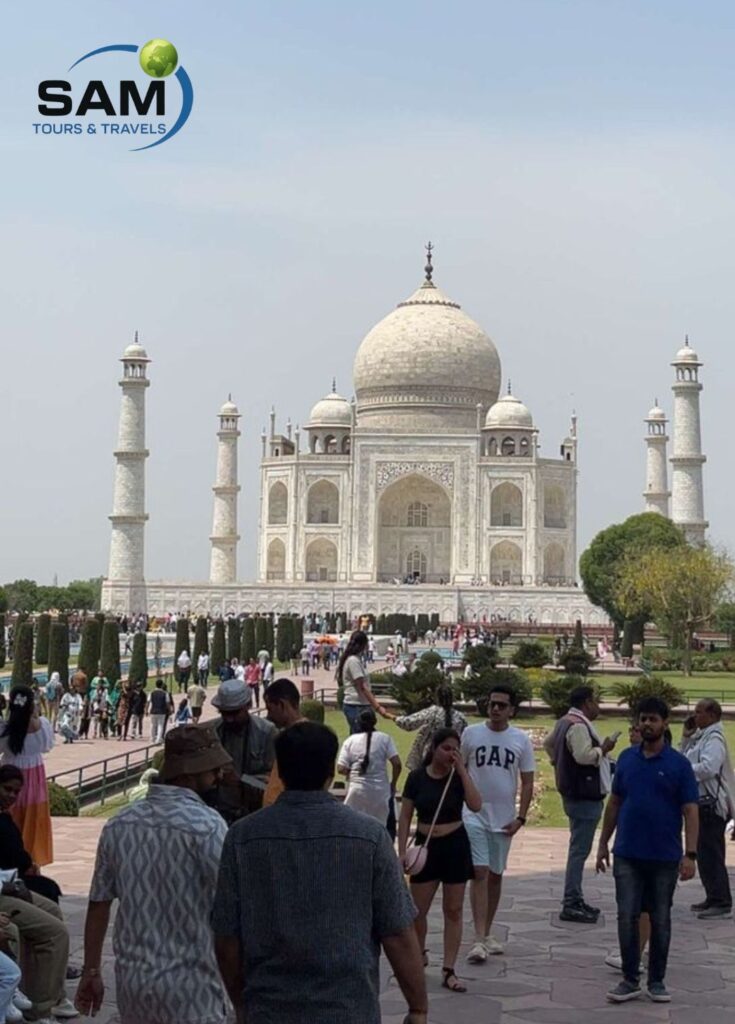
The Taj Mahal is one of the world’s most famous monuments and a major attraction for travelers visiting India. Millions of tourists book Taj Mahal tour packages every year to experience its stunning white marble beauty, Mughal architecture, and romantic history. Along with its historical importance, the Taj Mahal also attracts curiosity because of the mysterious 22 closed chambers located beneath the monument.
Many visitors planning Taj Mahal travel tours or guided heritage trips often ask questions about these sealed rooms. Why are the chambers closed? What secrets do they hold? Are there hidden tunnels or historical treasures inside? Over the years, these questions have created fascination among tourists, travel bloggers, historians, and researchers.
In this detailed Taj Mahal travel guide, we will explore the history, facts, myths, and travel information related to the 22 closed chambers of the Taj Mahal.
Taj Mahal History and the Mystery of the Closed Chambers
The Taj Mahal was built by Mughal Emperor Shah Jahan in memory of his beloved wife Mumtaz Mahal. Construction began in 1632 and continued for more than 20 years.
The monument includes several underground rooms and lower-level structures that remain inaccessible to the public. Among them, 22 chambers located beneath the marble platform continue to generate curiosity and discussion.
Travelers visiting the Taj Mahal often hear stories and theories about these hidden rooms during guided tours and local sightseeing experiences.
Why Are the 22 Chambers Closed?
According to historians and archaeological experts, authorities closed the chambers mainly for preservation and safety reasons. Since the Taj Mahal is more than 350 years old, maintaining its structure remains extremely important.
The closed chambers may contain:
- Old structural foundations
- Maintenance pathways
- Storage spaces
- Humidity-sensitive areas
- Architectural support sections
Keeping these rooms sealed helps protect the monument from environmental damage, overcrowding, and unnecessary disturbance.
Many Taj Mahal tour guides explain that the chambers are not part of regular visitor routes because preservation authorities prioritize monument safety.
Popular Theories About the Secret Chambers
Over the years, several stories and theories about the Taj Mahal’s closed rooms have appeared online and in travel discussions. While many theories attract public interest, historians encourage visitors to focus on verified historical facts.
Hidden Treasure Theory
Some people believe the chambers contain hidden Mughal treasures, valuable artifacts, or royal belongings. However, no official evidence supports these claims.
Ancient Temple Theory
Another popular theory suggests the site may have included older structures before the Taj Mahal’s construction. Historians continue to debate these ideas, but no confirmed archaeological proof currently supports such claims.
Secret Tunnel Stories
Local travel stories sometimes mention hidden tunnels connecting the Taj Mahal to nearby Mughal buildings or forts. These stories remain part of local folklore and tourist curiosity.
Most professional Taj Mahal travel guides explain that these theories are largely speculative and not officially confirmed.
Taj Mahal Tour Experience and Visitor Curiosity
The mystery surrounding the 22 chambers makes Taj Mahal tours even more exciting for travelers. Visitors often discuss these hidden rooms during:
- Guided heritage walks
- Taj Mahal sightseeing tours
- Agra city travel packages
- Photography tours
- Historical exploration trips
Many tourists enjoy learning about lesser-known historical details while exploring the monument’s architecture and gardens.
The curiosity about the closed chambers adds a sense of mystery to the overall Taj Mahal travel experience.
Architecture Around the Closed Chambers
The lower sections of the Taj Mahal demonstrate advanced Mughal engineering and architectural planning. The monument stands near the Yamuna River, so builders designed strong foundations to support the massive marble structure.
Experts believe the underground chambers help:
- Balance structural weight
- Control moisture levels
- Support ventilation systems
- Strengthen the monument’s foundation
These hidden architectural elements highlight the engineering brilliance of Mughal construction techniques.
Importance of Preservation and Conservation
The Taj Mahal attracts millions of visitors every year, making preservation extremely important. Authorities continuously work to protect the monument from:
- Pollution
- Structural damage
- Overcrowding
- Moisture issues
- Environmental impact
Closing sensitive areas like the underground chambers helps conservation teams maintain the monument safely.
Travelers booking Taj Mahal travel packages should always follow monument rules and support responsible tourism practices.
Best Time to Plan a Taj Mahal Tour
Visitors planning Taj Mahal travel tours should choose comfortable seasons for sightseeing.
Winter Travel Season
The best months to visit are between October and March because the weather remains pleasant.
Sunrise Taj Mahal Tours
Sunrise tours are especially popular because:
- Crowds remain smaller
- Photography conditions improve
- The marble reflects beautiful morning light
- The atmosphere feels peaceful
Many travel companies include sunrise experiences in their Taj Mahal package itineraries.
Nearby Attractions Included in Agra Travel Packages
Travelers exploring the Taj Mahal often visit nearby historical attractions.
Agra Fort
A UNESCO World Heritage Site known for Mughal architecture and royal history.
Mehtab Bagh
A beautiful garden offering scenic sunset views of the Taj Mahal.
Fatehpur Sikri
An ancient Mughal city famous for red sandstone structures and historical significance.
Most Agra travel packages combine these attractions into a complete heritage tour experience.
Travel Tips for Taj Mahal Visitors
If you plan to explore the Taj Mahal and learn about its hidden chambers, these travel tips can improve your experience:
- Book Taj Mahal tickets online in advance
- Hire a certified local guide
- Visit early in the morning
- Wear comfortable footwear
- Carry water during summer visits
- Follow photography and security guidelines
- Respect monument preservation rules
These simple travel tips help visitors enjoy a smooth and memorable tour.
Why the Mystery Continues to Fascinate Travelers
The secret of the 22 closed chambers continues to attract travelers because mystery naturally creates curiosity. Visitors enjoy exploring historical places that combine beauty, architecture, and unanswered questions.
Although no confirmed evidence supports many online theories, the chambers remain one of the most discussed topics related to Taj Mahal tourism.
Travel bloggers, historians, photographers, and heritage enthusiasts continue to share stories and discussions about these hidden sections of the monument.
Taj Mahal Tourism and Global Popularity
The Taj Mahal remains one of the most important travel destinations in the world. Tourists from different countries visit Agra to experience:
- Mughal history
- Architectural beauty
- Cultural heritage
- Photography opportunities
- Luxury travel experiences
Many international travelers include the Taj Mahal in their Golden Triangle travel packages covering Delhi, Agra, and Jaipur.
Conclusion
The Taj Mahal is not only a symbol of eternal love but also a monument surrounded by mystery and historical curiosity. The 22 closed chambers beneath the Taj Mahal continue to fascinate travelers, historians, and tourists from around the world.
While many stories and theories exist, experts believe the chambers mainly serve structural and preservation purposes. Their mystery adds another layer of excitement to Taj Mahal tours and travel experiences.
Whether you book a same-day Agra tour, a heritage travel package, or a luxury Taj Mahal sightseeing experience, learning about the hidden chambers makes the journey even more interesting. The Taj Mahal continues to inspire millions with its beauty, history, architecture, and timeless mysteries.